

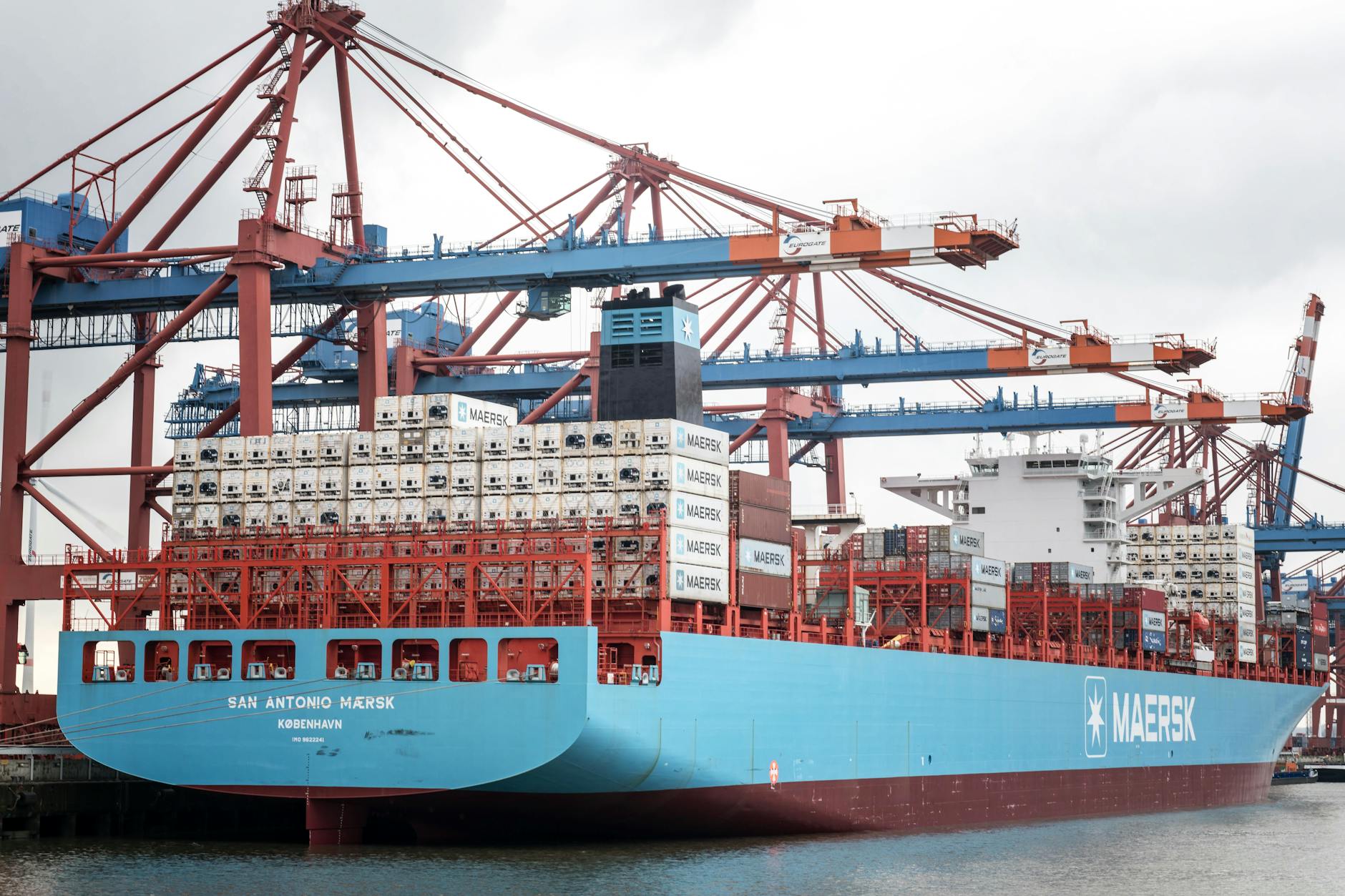
Why Sustainable Order Fulfilment is the Key to Ecommerce Success in Australia
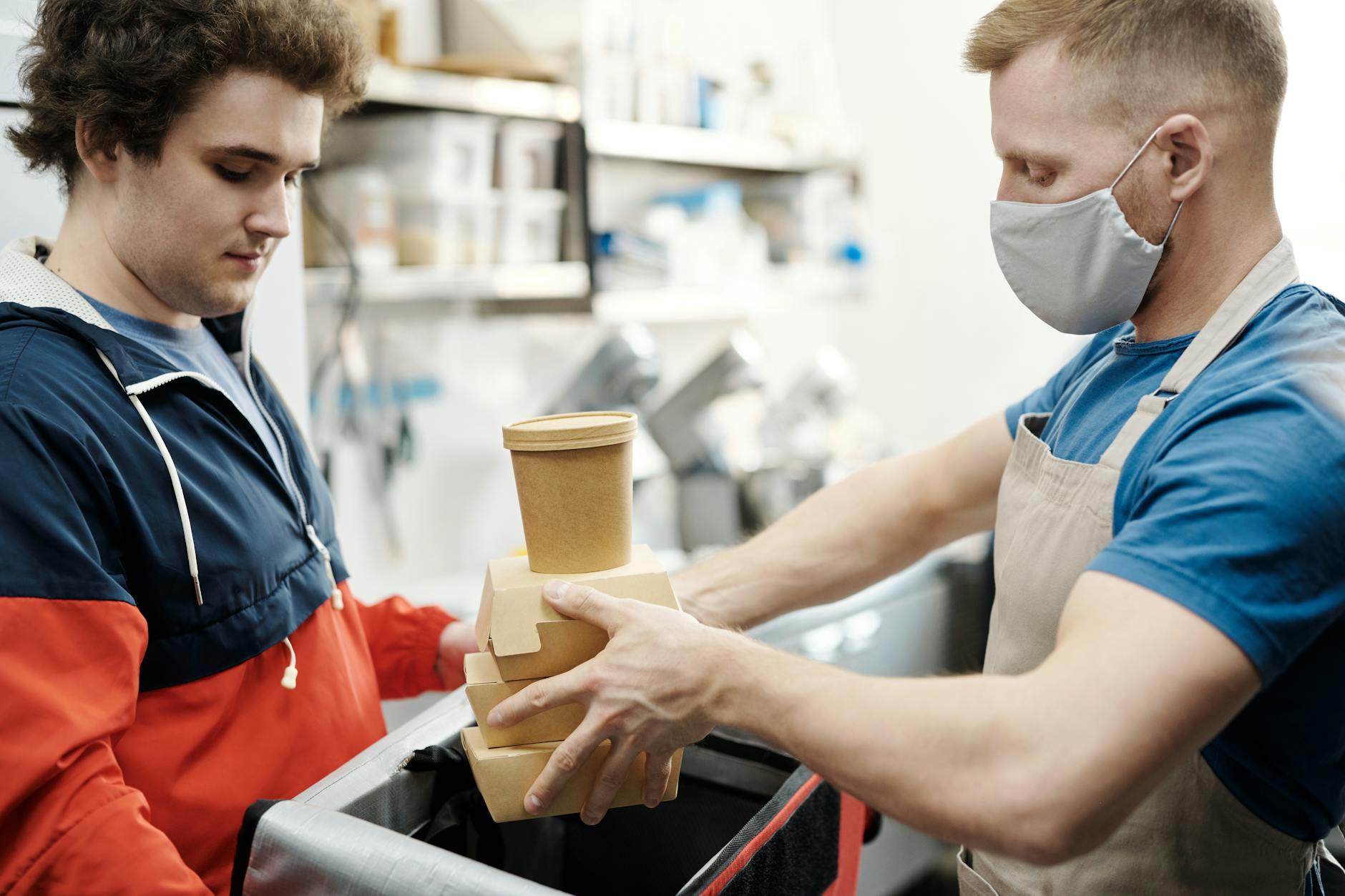
The Benefits of Sustainable Fulfilment
When running an online business, particularly in the vibrant hub of Melbourne, embracing sustainable practices isn't merely an option—it's essential. Imagine your brand's presence echoing the eco-friendly vibes of the Queen Victoria Market. Sustainable ecommerce logistics provide a target to shoot for, especially as it aligns with the values of environmentally-aware entrepreneurs.
A strong emphasis on sustainable fulfilment can significantly enhance your brand reputation. Modern consumers are increasingly discerning about the ethical implications of their purchases. They favour businesses that reflect their values in terms of sustainability and environmental responsibility. An ethical business strategy doesn't just improve your brand's image but also makes it more relatable to a growing segment of eco-conscious shoppers.
Another critical advantage is the ability to build customer loyalty. Today’s competitive e-commerce landscape requires maintaining a strong, trustworthy relationship with your clientele. By demonstrating a commitment to green practices, you create a loyal customer base that values consistent ethical business behaviour, ensuring repeat purchases and fostering long-term engagement.
Lastly, reducing your environmental impact is not only vital for the planet but can also streamline operations. Impressions matter, and operating with reduced waste and energy usage often means efficiency gains, reinforcing the attractiveness of integrating a third-party logistics provider 3pl dedicated to eco-friendly solutions. Sustainable logistics not only benefit the environment but can also adapt to the evolving needs of burgeoning businesses like yours.
Implementing Green Practices
Efficient Packaging Solutions
As a Melbourne-based startup, I've found immense value in exploring eco-friendly packaging solutions like those showcased at Queen Victoria Market. Using biodegradable, recycled, or reusable materials not only aligns with my brand's environmental values but also resonates with eco-conscious consumers. By reducing excessive packaging and opting for compact designs, I've noticed significant savings in storage and shipping, which also makes it easier to manage order fulfilment processes effectively.
Optimising Transportation Routes
Optimising transportation is vital for reducing carbon footprints and improving delivery efficiency. In Melbourne, leveraging data to create efficient delivery routes means fewer emissions and faster shipments. I often collaborate with local logistics partners familiar with the city's layout, ensuring timely and sustainable deliveries. This strategy is especially beneficial when expanding operations to nearby cities like Sydney, where a reliable 3pl warehouse can manage increased demands and streamline logistics.
Waste Reduction Techniques
Attending green tech meetups at The Goods Shed has introduced me to numerous waste reduction techniques. One effective approach is implementing a take-back program where customers can return old products for recycling, creating a circular economy within my business model. Additionally, tracking waste metrics allows for identifying key areas for improvement, resulting in reduced environmental impact. These initiatives not only further enhance sustainability efforts but also bolster customer trust and satisfaction.
Integrating Technology
Inventory Management Systems
Navigating the realm of third party logistics (3PL) can be overwhelming, but effective inventory management systems are pivotal for any e-commerce business aiming to scale sustainably. These systems aren’t just about keeping track of stock; they provide insights into trends, allowing businesses like yours to anticipate demand and avoid overproduction, which helps minimise waste—vital for maintaining an eco-friendly approach. By automating inventory processes, you can reduce human error, resulting in a smoother operation, especially during peak times.
Real-Time Tracking Tools
For a dynamic entrepreneur like you, real-time tracking tools are crucial. They equip you with the ability to know, at any moment, where your products are within the supply chain. This transparency not only enhances customer satisfaction by providing accurate delivery updates but also supports sustainable practices by optimising delivery routes. Imagine integrating real-time data into your daily workflow, offering you peace of mind knowing that your operations are running efficiently.
Automation in Warehousing
Implementing automation in warehousing brings tremendous benefits, particularly when woven seamlessly into sustainability goals. Automated pick packing not only speeds up order fulfilment but also reduces energy consumption in warehouses. Integrating eco-friendly technologies in warehousing aligns with initiatives observed at Melbourne Central, reinforcing a commitment to sustainability. As your business grows, these advanced systems will significantly contribute to operational efficiency while honouring your dedication to eco-conscious practices.
Overcoming Challenges
Supplier Collaboration
Navigating the complexities of supplier collaboration can often feel like piecing together a sustainable puzzle. As a Melbourne-based entrepreneur passionate about green tech, harmonious supplier relationships are crucial. Establishing clear communication channels ensures everyone is aligned on sustainable goals, which is especially vital when you're juggling a variety of materials and processes. Be sure to vet suppliers who share your eco-friendly ethos, which can significantly impact how your orders are fulfilled in a 3pl warehouse sydney. Consider incorporating regular check-ins to address any issues that arise before they escalate into larger problems.
Regulatory Compliance
Keeping up with Australia’s stringent regulations on sustainability is both a challenge and an opportunity. Compliance isn't just a responsibility; it allows you to drive eco-innovation. Think about how local sustainability initiatives at Melbourne Central illustrate the potential for incorporating green practices into your business. Being proactive about understanding and implementing regulatory requirements can set you apart and reassure your customers of your commitment to environmental responsibility.
Balancing Cost and Sustainability
Finding that sweet spot between cost efficiency and sustainability can be daunting. Start by reviewing your budget to see where you can invest in green initiatives without breaking the bank. Sometimes, it’s about prioritising impactful changes, like using less packaging or opting for organic materials. If you consider a 3pl sydney provider, lookout for partners offering sustainable practices that align with your values without inflating costs.
Proven Strategies for Sustainable Order Fulfilment
Forge Strategic Alliances
Connecting with like-minded partners is crucial for sustainable order fulfilment. In Melbourne, many businesses at places like Queen Victoria Market are already championing eco-friendly practices. Seek out suppliers who share your values. By aligning with green-conscious supply chain solutions, you ensure that your operations align with your sustainability goals, adding value and integrity to your venture. Collaborations can result in shared resources, minimised waste, and mutually beneficial growth.
Cultivate a Knowledgeable Workforce
Empowering your team with the knowledge and passion for sustainability is paramount. Engage them in workshops, much like the green tech meetups at The Goods Shed. By educating your team on the importance of sustainable 3PL — from understanding fulfilment centres to fulfilment logistics — they can contribute innovative ideas and create a culture that prioritises the environment. This hands-on approach will foster a sense of ownership and commitment to green initiatives.
Embrace Ongoing Development
Sustainability is an ever-evolving field. Embrace technologies that assist in real-time tracking and automation, laying the groundwork for continuous improvement. Visit eco-friendly hubs at Melbourne Central to draw inspiration. Keep an eye on emerging trends within logistics and adapt your strategies accordingly. By focusing on third-party logistics advancements and improving existing processes, your business will remain agile, competitive, and green-focused.
Through these strategies, we can transform our ecommerce logistics landscape into one that champions sustainability, ensuring a brighter future for both our businesses and the planet.